
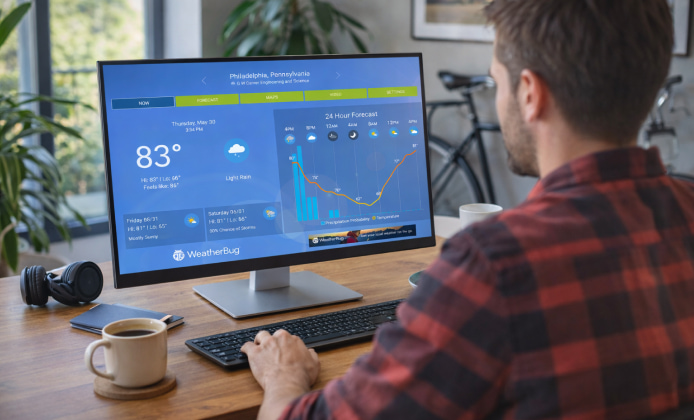
Checking the sky shouldn’t be a guessing game, especially when you’re planning commutes, workouts, travel days, or outdoor work. On a computer, weather tools can feel faster and clearer thanks to a bigger screen, easier multitasking, and the ability to keep a forecast visible while you do everything else. This guide walks through the most useful ways to use WeatherBug on a Windows computer, what features matter day to day, and how to set things up for quick, reliable weather checks.
“The best weather setup is the one you actually use: quick to open, easy to read, and specific to your location.”
Why Use Weatherbug on a Computer?
A desktop workflow can make weather info more actionable. You can compare hourly changes at a glance, keep an eye on radar while working, and react faster to severe alerts without constantly picking up your phone. For many people, WeatherBug on desktop becomes part of a daily routine, like checking email or reviewing a calendar.
- More comfortable reading: larger maps, longer timelines, and clearer hourly detail.
- Better multitasking: split-screen with your itinerary, spreadsheets, or school schedule.
- Faster reactions: easier to spot approaching storms while you’re already at your desk.
- Consistent planning: compare multiple locations when coordinating travel or remote teams.
Getting Started: Installation Paths That Make Sense
There are a few common ways people use WeatherBug on Windows: a dedicated desktop experience, a browser-based session, or an Android app running through an emulator. Your best choice depends on whether you want a lightweight setup, advanced radar use, or access to mobile-style features from a PC.
To begin smoothly, many users look for WeatherBug for PC download options that match their Windows version and security preferences. If you prefer an app-like feel with quick access, you might consider a WeatherBug app for PC download route through a trusted store or verified installer source.
Option A: Use It in a Browser
This is usually the simplest approach: no extra software layers, quick sign-in, and easy bookmarking for your home city. You can pin a tab, add a shortcut to the taskbar, or set a start page that opens your forecast immediately.
- Open your preferred browser and create a bookmark for your primary location.
- Enable notifications if your browser supports alert prompts for weather warnings.
- Use a second bookmark for travel or family locations you track frequently.
- Consider a dedicated browser profile for “daily tools” to reduce tab clutter.
Option B: Use an Emulator for the Android Experience
If you like the mobile app layout and features, an emulator can bring that experience to Windows. This can be especially helpful for users who want the same interface across devices and prefer the familiar mobile navigation patterns.
In some setups, users run the WeatherBug app on PC through an Android emulator to keep their preferred mobile-style layout available on a larger screen.
Option C: Dedicated Desktop-Style Usage
Some people want a single-click launcher on the taskbar and a persistent, app-like window. In that case, it’s worth exploring how you’ll access updates, alerts, and map layers then choosing the method that best matches your routine. When you want a straightforward daily workflow, WeatherBug on desktop fits well alongside calendars, email clients, and other productivity tools.
Core Features to Use Every Day
Most weather apps offer similar basics, but the best results come from using the right feature at the right moment. Here are the tools that typically provide the biggest practical benefit:
- Hourly forecast with context. Hourly detail is perfect for deciding when to leave the house, schedule a run, or plan a drive. Focus on temperature, “feels like,” wind, precipitation chance, and changes over the next 3–6 hours.
- Radar and map layers. Radar is most valuable when you treat it like a timeline, not a snapshot. Watch motion direction, check intensity changes, and compare it with hourly precipitation probability to avoid surprises.
- Alerts and notifications/ Severe weather warnings matter most when they’re tailored to your location. Turn on only the alerts you truly need so that important warnings are less likely to be ignored.
- Multi-location tracking. If you manage trips, logistics, or remote family schedules, tracking multiple cities can save time. A desktop makes it easier to compare several places side by side.
Quick Reference Table: What to Check and When
| Situation | Best view | What to look for | Decision tip |
|---|---|---|---|
| Morning commute | Hourly | Rain start time, wind, visibility | Leave 15–30 minutes earlier if precipitation ramps up fast |
| Outdoor workout | Hourly + wind | Feels-like, gusts, humidity | Choose a window with stable wind to keep effort consistent |
| Storm approaching | Radar | Cell direction, intensity trend | Don’t rely on a single frame; watch movement for 5–10 minutes |
| Weekend planning | Daily | High/low range, precipitation risk | Pick flexible activities if rain probability is moderate but rising |
Tips to Make Weatherbug Faster and Easier on Windows
- Pin a shortcut: create a desktop shortcut or taskbar pin for one-click access.
- Use split-screen: keep the forecast open alongside your calendar or route planner.
- Set a “home” location: reduce friction by opening directly to the city you check most.
- Keep notifications meaningful: select severe categories you truly need, then stick with them.
Troubleshooting: Common Issues and Fixes
- Forecast doesn’t match what you see outside. Microclimates, elevation, and local wind patterns can change conditions quickly. Use radar trends and hourly shifts rather than relying on a single temperature number.
- Radar seems slow or not updating. Close heavy background apps, refresh the view, and confirm your network stability. If you’re using an emulator, allocating a bit more memory can also help map rendering.
- Notifications feel excessive. Turn off non-critical alerts and keep warnings to high-impact events. A small number of accurate notifications is more useful than constant pings.
Choosing a Setup That Fits Your Needs
Some people want a no-cost, lightweight solution, and free WeatherBug download for PC can be an attractive search path when the priority is quick access without extra complexity. If you prefer a familiar interface across devices, WeatherBug app on desktop can feel consistent with the mobile experience when it’s configured with your saved locations and alerts. For users who want a straightforward workflow and minimal distractions, WeatherBug desktop app often works best when pinned for fast opening and paired with a clean alert strategy.
Final Checklist for Daily Use
- Confirm your primary location and add one or two backups (workplace, travel hub, family city).
- Check hourly conditions for the next 3–6 hours, then skim the daily forecast.
- Use radar when precipitation is possible, focusing on motion and intensity changes.
- Keep alerts limited to high-impact warnings so you actually notice them.
Once your routine is set, WeatherBug on PC becomes less about “looking up weather” and more about making faster, smarter decisions throughout the day.

 Install WeatherBug Guide: Fast Setup, Smart Alerts, and Troubleshooting Tips
 WeatherBug on PC: Hourly Conditions, Storm Alerts, and Desktop Tips
 WeatherBug on Laptop: Compare Locations, Track Radar, and Customize Notifications
 WeatherBug for Free: Stay Ahead of the Forecast Without Spending a Dime
 Top 10 Interesting Facts About WeatherBug
 Best Tips for New WeatherBug Users